

When running a business, having the right products available at the right time can have a big effect on how well things go. This is especially true when dealing with suppliers who provide parts or materials you need regularly.
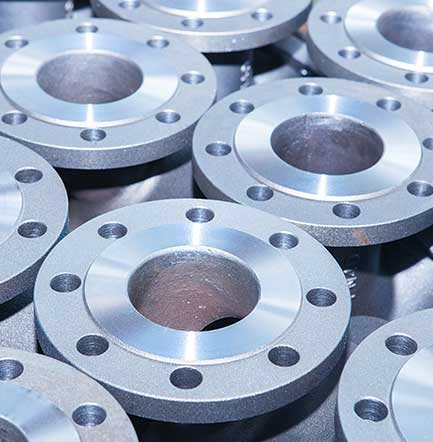
For example, if you are working with a fittings supplier in Dubai, their stock levels can affect your projects and costs in many ways.
How Inventory Affects Your Work
If a supplier has a large inventory, it usually means they can send you what you need without waiting. This helps keep your work moving smoothly because you won’t have to stop or delay projects due to missing parts. On the other hand, if the supplier has limited stock, you may face delays while waiting for products to arrive. These delays can slow down your work and increase costs, especially if you have tight deadlines.
Costs Linked to Inventory Levels
When suppliers have enough inventory, they often avoid last-minute orders or rush fees that can be expensive. This helps keep prices steady and predictable. If the supplier struggles to keep items in stock, they might charge more to cover quick deliveries or special orders. Over time, these extra costs add up and affect your bottom line.
Planning and Flexibility
A supplier with good inventory management can help you plan better. You can order with confidence, knowing the items will be there when you need them. This makes your own inventory control easier because you don’t have to keep large amounts of stock on hand. Reducing your inventory saves money on storage and lowers the risk of unused items sitting idle.
When Inventory Causes Challenges
Sometimes suppliers may face shortages or delays due to demand or supply chain problems. If this happens, you might need to find alternative sources or adjust your plans. Having a supplier with a well-managed inventory reduces these risks and helps you avoid costly disruptions.
Building a Strong Relationship
Working closely with a supplier who manages inventory well can benefit your business in the long run. Clear communication about stock levels and delivery times helps you make smarter decisions. When your supplier understands your needs and keeps items available, your projects stay on track, and your costs stay under control.
The stock a supplier holds plays a big role in how smoothly your work goes and how much it costs. Choosing a reliable fittings supplier with good inventory management helps keep your projects running on time and your expenses manageable.